How Often Should You Walk Your Dog? A Complete Guide
Discover exactly how much exercise your dog needs based on their breed, age, and health. Expert advice from a professional dog walker in Exeter.
Key Takeaways
- ✓Most adult dogs need at least one 30-60 minute walk per day
- ✓High-energy breeds may need 2+ hours of exercise daily
- ✓Puppies need shorter, more frequent walks to protect developing joints
- ✓Senior dogs still benefit from regular walks, just at a gentler pace
- ✓Mental stimulation during walks is as important as physical exercise
How Much Exercise Does Your Dog Really Need?
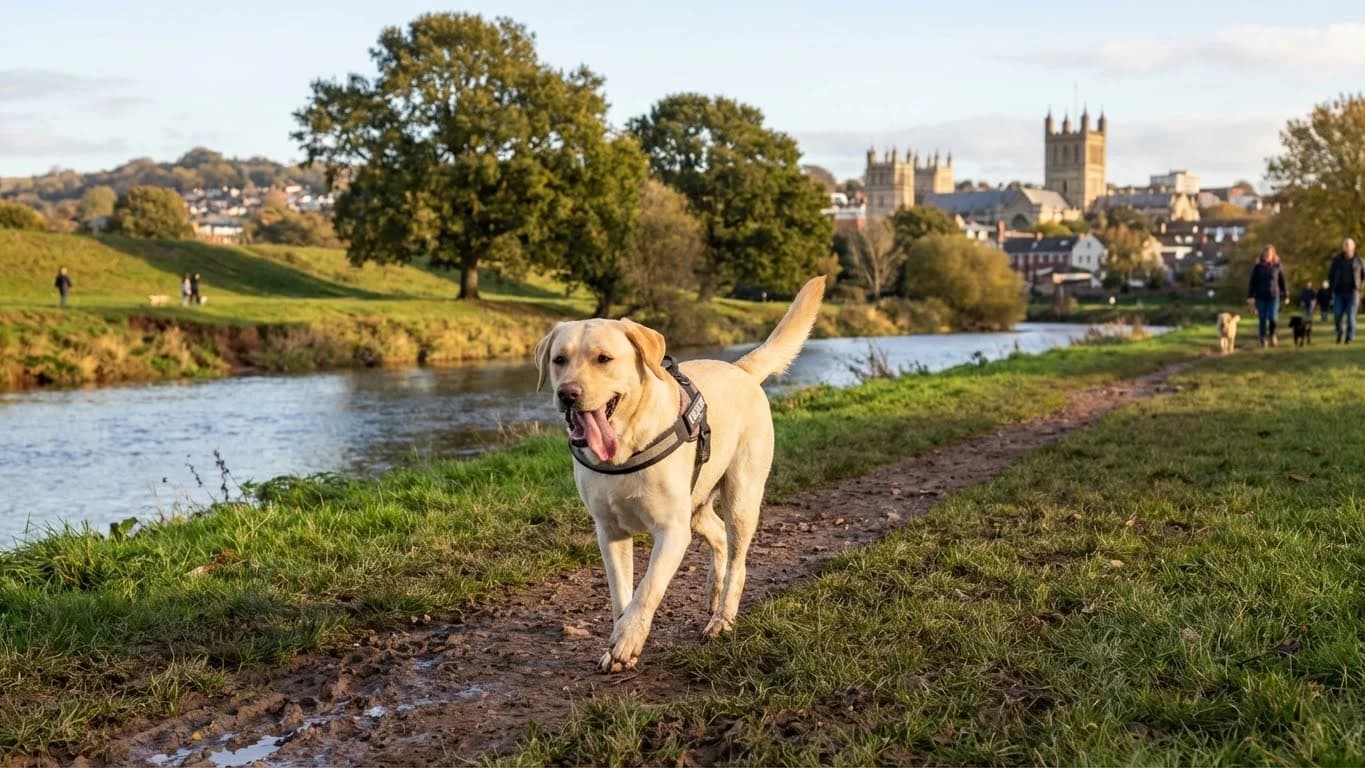
As a professional dog walker in Exeter, one of the most common questions I get asked is "how often should I walk my dog?" The honest answer is: it depends. Every dog is unique, and their exercise needs vary based on several factors.
Let me share what I've learned from walking hundreds of dogs across Exeter and the surrounding areas.
The General Rule of Thumb
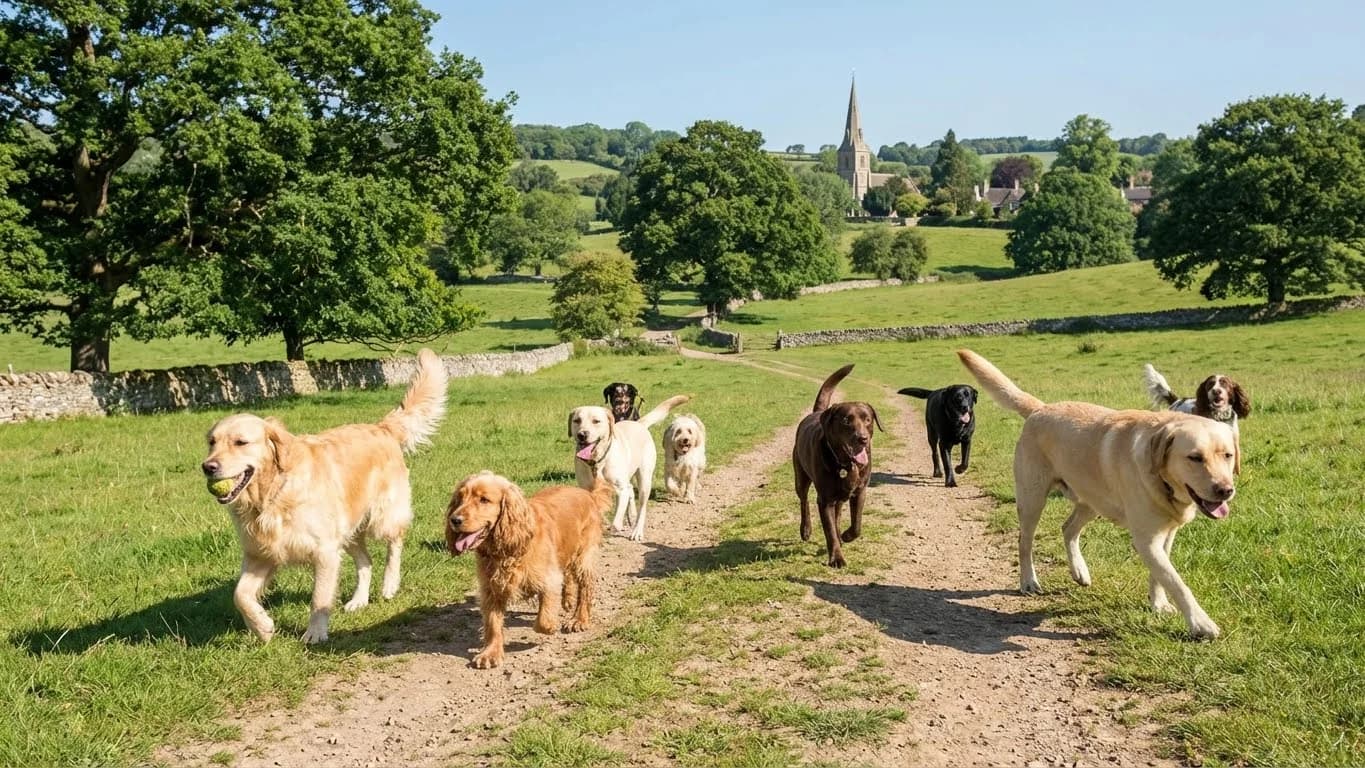
Most healthy adult dogs need at least one walk per day, lasting between 30-60 minutes. However, this is just a starting point. Some dogs need significantly more, while others thrive with less.
Factors That Affect Walking Needs
- Breed: Working breeds like Border Collies and Spaniels need far more exercise than companion breeds like Bulldogs
- Age: Puppies and seniors have different requirements than adult dogs
- Health: Medical conditions may limit or increase exercise needs
- Individual temperament: Some dogs within the same breed are more energetic than others
Walking Guidelines by Breed Type
High-Energy Breeds (2+ hours daily)
- Border Collies
- Springer Spaniels
- Labrador Retrievers
- German Shepherds
- Vizslas
- Dalmatians
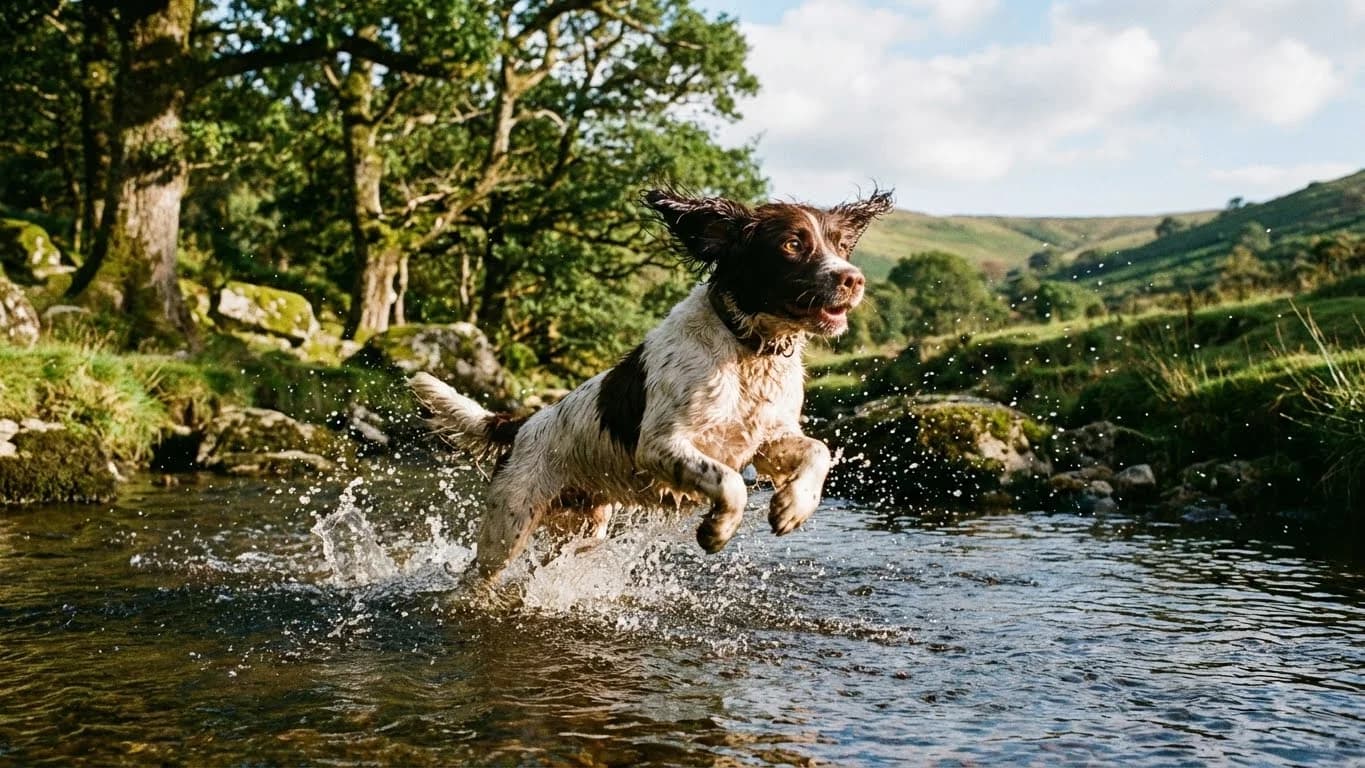
These breeds were developed to work all day. They need substantial physical exercise AND mental stimulation. A quick stroll around the block won't cut it.
Moderate-Energy Breeds (1-2 hours daily)
- Beagles
- Cocker Spaniels
- Golden Retrievers
- Boxers
- Standard Poodles
These dogs are adaptable but still need regular, meaningful exercise to stay happy and healthy.
Lower-Energy Breeds (30-60 minutes daily)
- Bulldogs (English and French)
- Basset Hounds
- Shih Tzus
- Cavalier King Charles Spaniels
- Pugs
While these breeds need less intense exercise, they still require daily walks for their physical and mental wellbeing.
Walking Puppies: Less is More
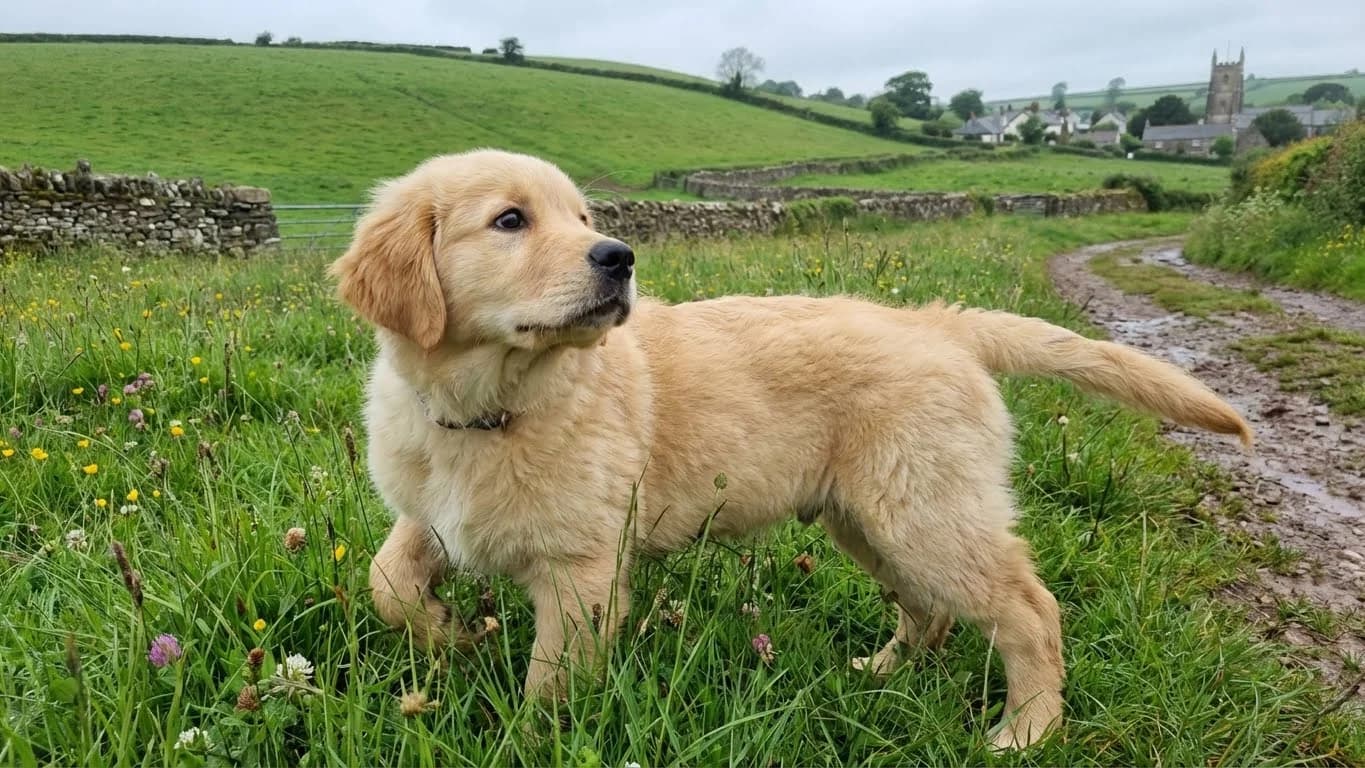
Puppies are bundles of energy, but their bodies are still developing. Too much exercise can damage growing joints and bones.
The 5-Minute Rule
A commonly used guideline is 5 minutes of walking per month of age, twice daily. So a 4-month-old puppy would get two 20-minute walks per day.
This might seem restrictive when your puppy seems to have endless energy, but it's important for their long-term health. Supplement walks with:
- Short play sessions in the garden
- Training exercises
- Puzzle toys and enrichment activities
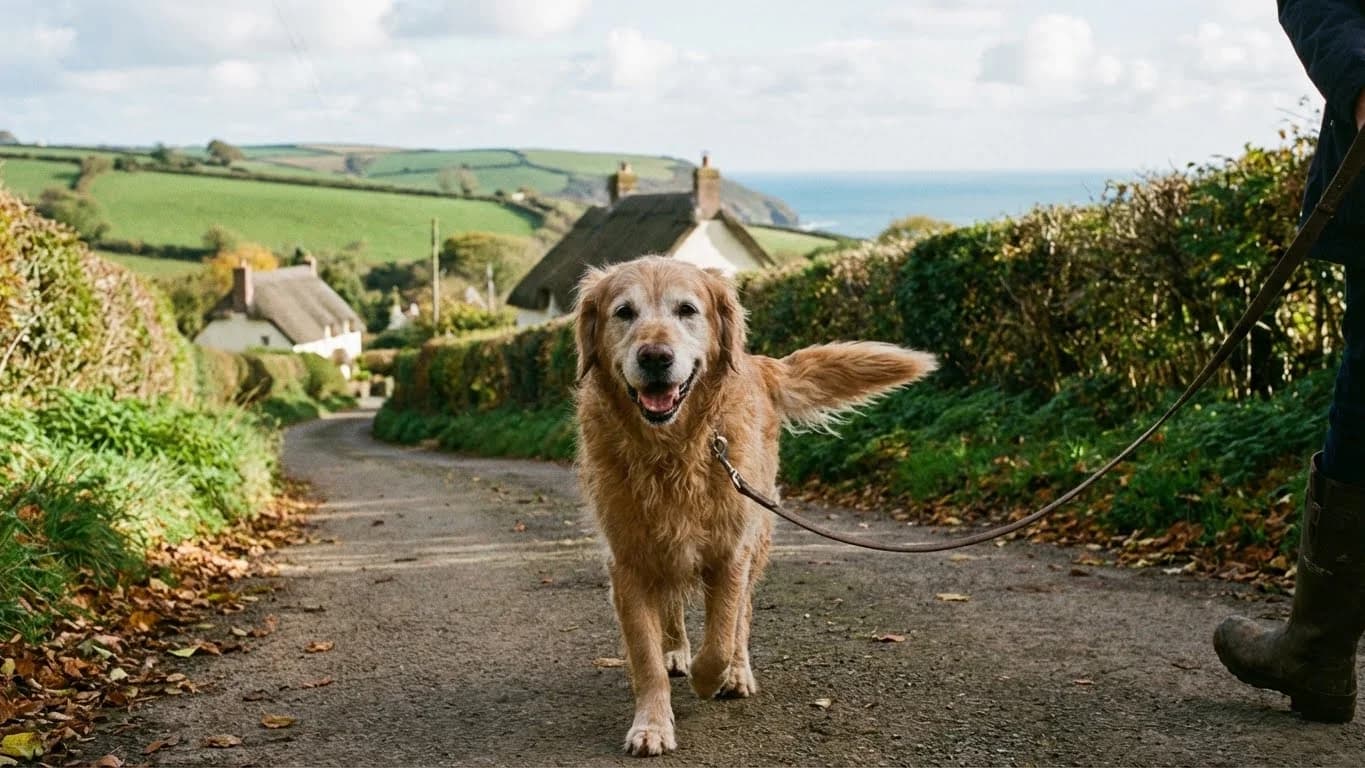
Senior Dogs: Quality Over Quantity
Older dogs still need and benefit from regular walks. However, you may need to:
- Reduce the length or intensity of walks
- Avoid steep hills or rough terrain
- Walk during cooler parts of the day
- Be more patient and allow plenty of sniffing time
- Consider joint supplements (consult your vet)
Watch for signs of discomfort: limping, reluctance to continue, excessive panting, or sitting down during walks.
Signs Your Dog Isn't Getting Enough Exercise
How do you know if your dog needs more walks? Look for these indicators:
- Destructive behaviour: Chewing furniture, digging, or scratching
- Excessive barking: Especially when bored or frustrated
- Weight gain: A common consequence of insufficient exercise
- Restlessness: Pacing, inability to settle
- Attention-seeking behaviour: Constant nudging, pawing, or following you
- Hyperactivity: Bouncing off the walls when you're home
Making the Most of Your Walks
It's not just about distance covered. Here's how to make walks more beneficial:
Allow Sniffing Time
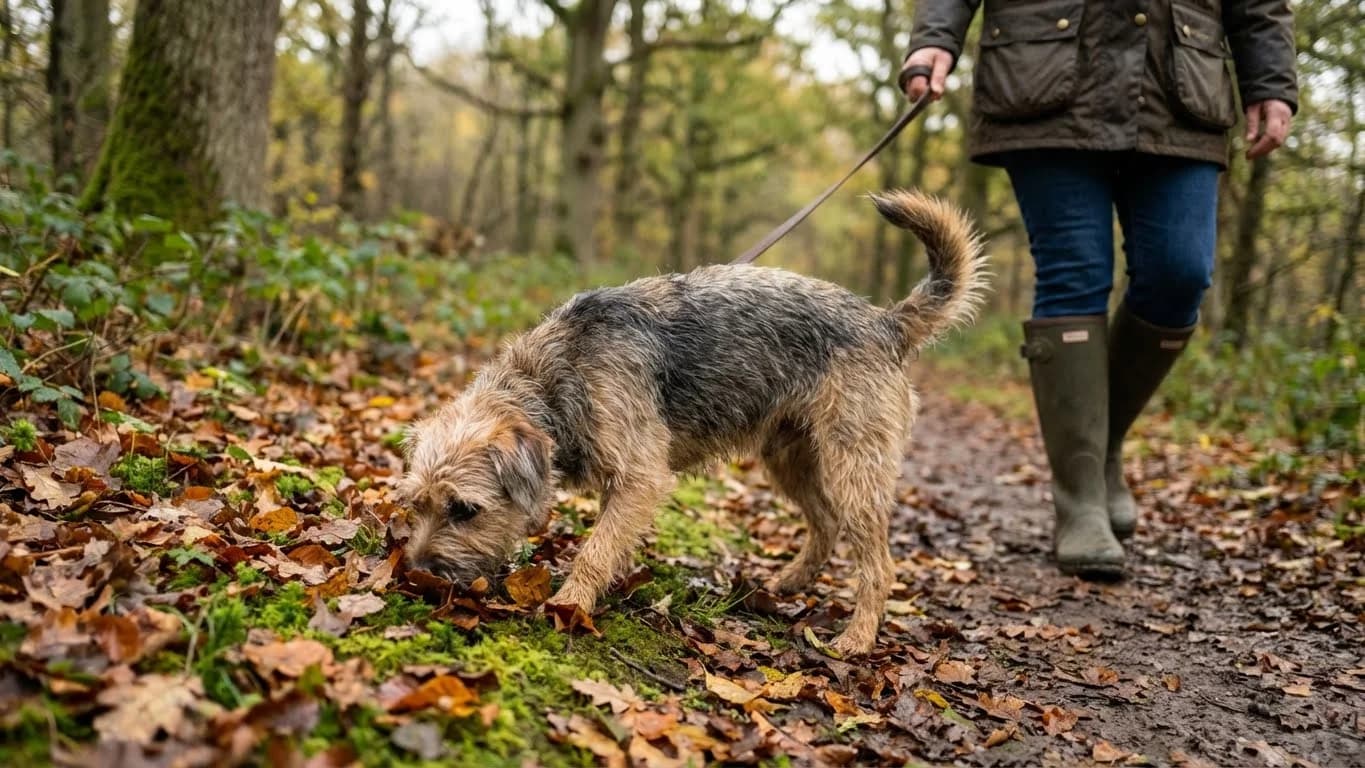
Sniffing is incredibly important for dogs. It's how they "read" their environment and provides vital mental stimulation. A 30-minute walk with plenty of sniffing is often more satisfying than a 60-minute march.
Vary Your Routes
Dogs love novelty. Mix up your walking routes to provide new smells, sights, and experiences. Here in Exeter, we're lucky to have beautiful variety – from Riverside Valley Park to woodland walks in Haldon Forest.
Include Training
Use walks as opportunities to reinforce commands like recall, sit, and heel. This provides mental exercise alongside physical activity.
Socialisation
If appropriate for your dog, allow brief greetings with other dogs. Social interaction is an important part of your dog's wellbeing.
What If You Can't Walk Your Dog Every Day?
Life happens. Work commitments, illness, or weather can sometimes make daily walks difficult. Here are some options:
- Hire a professional dog walker: Services like Wag & Whinny Co. can ensure your dog gets their exercise even when you're busy
- Arrange a dog-walking buddy: Team up with a neighbour or friend
- Indoor enrichment: On days when outdoor walks aren't possible, use puzzle feeders, training games, and indoor play
The Bottom Line
There's no one-size-fits-all answer to how often you should walk your dog. The key is to:
- Know your dog: Understand their breed characteristics and individual needs
- Stay consistent: Dogs thrive on routine
- Watch their behaviour: Adjust based on how they respond
- Consider their whole life: Factor in age, health, and other activities
If you're unsure whether your dog is getting enough exercise, speak to your vet or a professional dog walker. We're always happy to offer advice based on our experience with dogs of all breeds and ages.
Need help ensuring your dog gets regular, quality walks? Contact Wag & Whinny Co. for professional dog walking services in Exeter and surrounding areas.
Frequently Asked Questions
Can I skip my dog's walk if they have a garden?
No, garden access doesn't replace walks. Dogs need the mental stimulation, socialisation, and variety that walks provide. A garden is great for toilet breaks, but walks are essential for your dog's physical and mental health.
Is one long walk better than multiple short walks?
It depends on your dog. Most dogs do well with one longer walk plus a shorter outing. However, puppies, senior dogs, and some breeds benefit from multiple shorter walks spread throughout the day.
What if my dog doesn't seem to want to walk?
Reluctance to walk can indicate health issues, anxiety, or discomfort. Start with shorter walks and consult your vet if the reluctance persists. Some dogs also simply prefer walking at different times of day.
How do I know if I'm walking my dog enough?
Signs your dog is getting enough exercise include: settling well at home, maintaining a healthy weight, sleeping well at night, and not displaying destructive behaviours. If your dog seems restless or is gaining weight, they may need more activity.
Related Services
Need Professional Dog Walking in Exeter?
I'm Evie, and I've been walking dogs in Exeter for years. If you need help with your furry friend, I'd love to hear from you.